How to Choose an Ayurvedic Hair Oil: Decoding Herbs & Base Oils
Navigating sesame, coconut, Bhringraj, and Amla for your unique hair profile
Understanding the Base Oil: Sesame vs. Coconut
In traditional Ayurvedic pharmacy (Bhaishajya Kalpana), medicinal herbs are slow-cooked into base oils (Taila Paka Vidhi) so that fat-soluble phyto-compounds integrate deeply. The choice of base oil is paramount.
Sesame Oil (Tila Taila) is considered the king of oils in Ayurveda. It possesses Ushna (mildly warming) and Sukshma (micro-penetrating) properties, making it superior for dry scalps and cool seasons.
Coconut Oil (Narikela Taila), conversely, is Sheeta (cooling) and light, making it ideal for tropical climates, summer months, and soothing heated, irritable scalps.
Identifying Key Botanical Actives
Look for specific botanicals aligned with your dominant requirement:
- For Root Vitality & Fullness: Bhringraj, Brahmi, and Rosemary
- For Natural Shine & Pigment Radiance: Amla (Amalaki) and Hibiscus
- For Itchy or Flaky Scalps: Neem, Karanja, and Tea Tree
Frequently Asked Questions About This Topic
Have Questions Regarding This Routine?
Chat directly with our team on WhatsApp for personalized product recommendations and guidance.
Featured Formulations
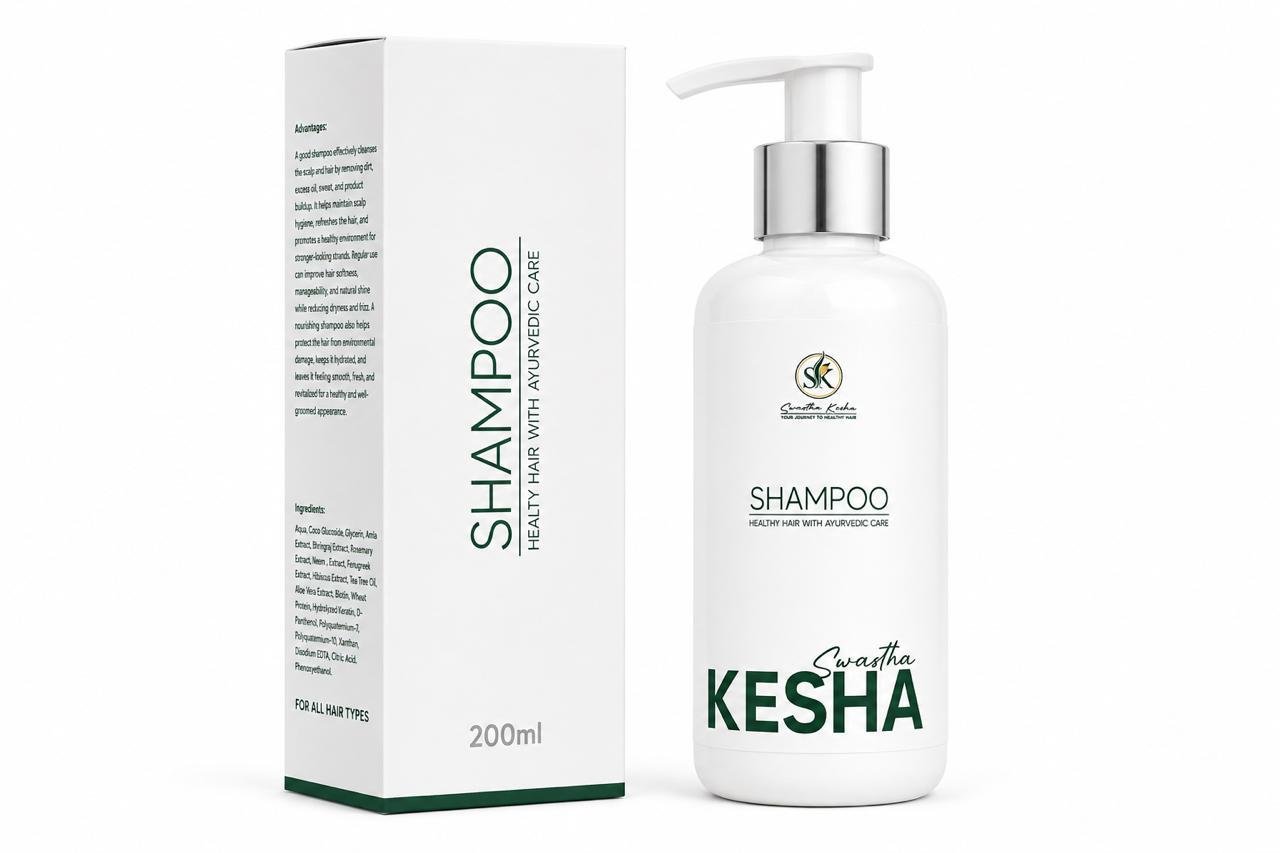
Swastha Kesha Shampoo
A thoughtfully crafted Ayurvedic hair cleanser infused with Amla, Bhringraj, Rosemary, Neem, and Keratin to purify scalp buildup while keeping strands resilient and silky.
Related Ayurvedic Articles
How Often Should You Oil Your Hair? An Ayurvedic Perspective
Is daily hair oiling necessary, or does it do more harm than good? Learn the balanced Ayurvedic frequency for modern scalp wellness.
Hair Oil Before Shampoo: What Is the Traditional Approach?
Explore the Ayurvedic science behind pre-shampoo oiling and why coating strands before cleansing prevents swelling and moisture loss.